Showing 1–16 of 27 results
-
$0.00
Acid Slurry, primarily composed of Linear Alkyl Benzene Sulphonic Acid (LABSA), is a brown, viscous liquid widely used as a key raw material in the production of detergents, cleaning agents, and textile processing chemicals due to its excellent surfactant properties. It is highly soluble in water, provides strong foaming and cleaning power, and typically contains around 90% active matter. Commonly used in liquid and powder detergents, acid slurry is corrosive and must be handled with proper protective equipment. It is produced by sulphonating linear alkyl benzene with sulfur trioxide and should be stored in acid-resistant containers.
-
$0.00
AOS (Alpha Olefin Sulfonate) is a mild, effective, and eco-friendly anionic surfactant commonly used in shampoos, hand washes, dishwashing liquids, and detergents. It appears as a clear to light yellow liquid, offers excellent foaming and cleaning properties, is gentle on the skin, and is easily biodegradable, making it an ideal ingredient for personal care and household cleaning products.
-
$0.00
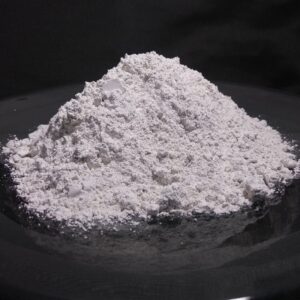
Bleaching Powder, also known as Calcium Hypochlorite [Ca(OCl)₂], is a white or light grayish powder widely used as a disinfectant and bleaching agent. It is commonly used for water purification, sanitization, and whitening fabrics. Bleaching powder releases chlorine when it reacts with water, which kills bacteria and other pathogens. It is stable when dry but decomposes in moist air, releasing a strong chlorine odor. Its main applications include drinking water treatment, household and industrial cleaning, textile bleaching, and as a component in disinfectant formulations.
-
$0.00
Borax Pentahydrate (Na₂B₄O₇·5H₂O) is a white, crystalline powder used in a variety of industrial and household applications. It is a hydrated form of sodium borate and serves as a source of boron. Commonly used in detergents, cleaning agents, ceramics, glass manufacturing, agriculture (as a micronutrient), and cosmetics, it acts as a buffering agent, water softener, and pH stabilizer. Borax Pentahydrate dissolves easily in water, is mildly alkaline, and is valued for its versatility in chemical processes and formulations.
-
$0.00
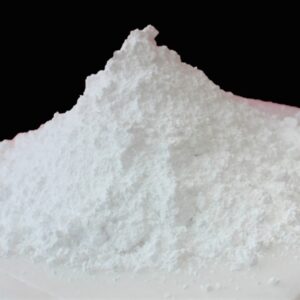
Calcite Powder, also known as Limestone Powder, is a naturally occurring sedimentary rock primarily composed of calcium carbonate (CaCO₃) in the mineral form of calcite. It accounts for nearly 10% of all sedimentary rocks found on the Earth’s surface.
Calcite is formed either through direct crystallization from seawater, where calcium ions react with dissolved or atmospheric CO₂ to form insoluble calcium carbonate, or from the accumulation of shells and skeletal fragments of marine organisms. These layers, over time, undergo compaction and lithification, forming solid rock.
Limestone often contains impurities recorded from the chemical composition of seawater, and may include trace minerals such as dolomite (CaMg(CO₃)₂) and aragonite, another crystalline form of calcium carbonate.
-
$0.00
Calcium Carbonate (CaCO₃) is a white, odorless, tasteless powder or crystalline compound found naturally in rocks like limestone, marble, and chalk. It is widely used in industries such as plastics, paints, paper, rubber, ceramics, and construction as a filler material. In its purified form, it’s used in pharmaceuticals (as an antacid or calcium supplement) and food products. Calcium carbonate is insoluble in water but reacts with acids to release carbon dioxide, making it useful in acid neutralization and environmental applications like flue gas treatment and water softening.
-
$0.00
Calcium Nitrate Melt is a liquid form of calcium nitrate [Ca(NO₃)₂], typically used in fertilizer production, especially for manufacturing Calcium Ammonium Nitrate (CAN) and water-soluble fertilizers. It contains high levels of calcium and nitrogen, both essential nutrients for plant growth. The “melt” refers to its molten or concentrated aqueous state, often formed during industrial processing where calcium nitrate is kept in a hot, liquid phase before solidification or further blending. It is hygroscopic, corrosive in nature, and must be stored in acid-resistant tanks under controlled conditions.
-
$0.00
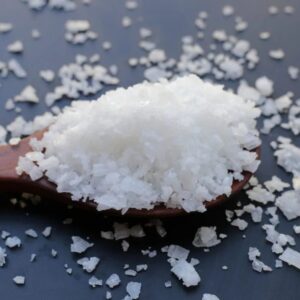
Caustic Soda Flake, also known as Sodium Hydroxide (NaOH) in flake form, is a white, odorless, and highly corrosive solid used extensively in various industries. It is hygroscopic (absorbs moisture from air) and dissolves easily in water, generating heat. Commonly used in the manufacture of soaps, detergents, paper, textiles, alumina, and petroleum products, it also plays a role in water treatment and chemical processing. Due to its strong alkalinity, caustic soda flake must be handled with care using protective equipment and stored in airtight containers.
-
$0.00
Caustic Soda Lye is the liquid form of Sodium Hydroxide (NaOH), typically available as a clear, colorless, and highly corrosive solution. It is widely used in industries like textiles, paper, soap and detergent manufacturing, water treatment, petroleum refining, and chemical processing. Caustic soda lye is strongly alkaline and reacts vigorously with acids and water, releasing heat. Common concentrations range from 32% to 50%, and it must be handled with proper safety measures such as gloves, goggles, and chemical-resistant containers due to its caustic nature.
-
$0.00
Concentrated Nitric Acid (HNO₃) is a highly corrosive, colorless to yellowish liquid with a sharp, acrid odor, typically containing 68–70% nitric acid by weight. It is a powerful oxidizing agent widely used in fertilizer production (e.g., ammonium nitrate), explosives, metal processing, etching, and chemical synthesis. When exposed to light or heat, it can decompose and release nitrogen oxides, giving it a yellow tint. Due to its reactive and toxic nature, concentrated nitric acid must be handled with extreme care, using acid-resistant containers and full protective equipment.
-
$0.00
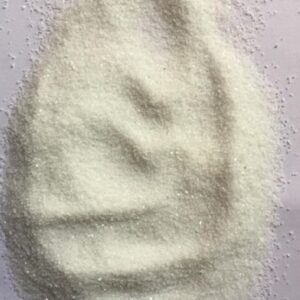
Vkonnect Overseas offers premium-quality Dolomite Grains, an anhydrous carbonate mineral composed of calcium magnesium carbonate (CaMg(CO₃)₂). Known for its consistent quality and purity, dolomite grains are widely used across various industrial applications.
Our dolomite occurs naturally in crystalline and granular forms. While individual crystals are transparent to translucent, the grains used in industry are typically translucent or opaque with a sub-vitreous to dull luster. Much like calcite, dolomite cleaves into rhombohedral polyhedrons, making it highly recognizable.
Geologically, dolomite forms from layered calcium carbonate under high pressure and time, capturing mineral impurities from seawater during formation. These impurities, along with its unique crystal structure, differentiate dolomite from other carbonate minerals like calcite and aragonite.
Vkonnect Overseas ensures the delivery of high-grade dolomite that meets the precise requirements of industries such as ceramics, glass, paint, construction, and steel. Our material is known for its stability, uniform particle size, and excellent chemical composition, making it ideal for both structural and chemical applications.
-
$0.00
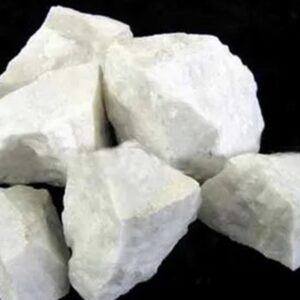
Dolomite is a key raw material in the production of concrete — vital to modern road and building infrastructure. It is a sedimentary carbonate rock, primarily composed of the mineral dolomite, also referred to as dolostone. Naturally occurring dolomite crystals are commonly found in hydrothermal vein deposits and sedimentary rocks, often filling the pores of their host formations.
We offer high-purity dolomite lumps with high magnesium content and extremely low levels of iron. These characteristics make our dolomite ideal for use in various industries including paints, glass, ceramic frits, and detergents.
Dolomite is one of the three most abundant carbonate minerals, alongside calcite and aragonite. Unlike calcite and aragonite, dolomite has a distinct crystal structure where layers of carbonate ions alternate with layers of magnesium and calcium ions. This unique arrangement gives dolomite higher hardness, density, and stability. Additionally, dolomite never forms scalenohedrons, which are common in calcite.
Through low-temperature calcination, dolomite is transformed into calcinated dolomite, a product that is highly porous, reactive, and valuable in metallurgical and industrial applications.
-
$0.00
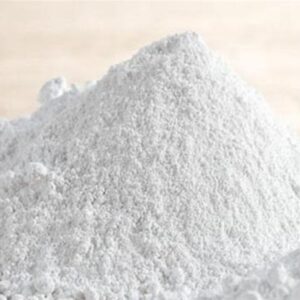
Dolomite was named after the French mineralogist Déodat de Dolomieu and is widely found in sedimentary rock formations known as dolostone. It occurs in two forms: a chemically uniform mineral with the formula CaMg(CO₃)₂, and dolomitic limestone, which contains a mixture of calcium and magnesium carbonates.
Dolomite is believed to form through the replacement of calcium with magnesium in limestone during lithification—a natural process where sediments like shells from marine organisms transform into solid rock. This replacement process results in the crystalline structure of dolomite.
-

$0.00
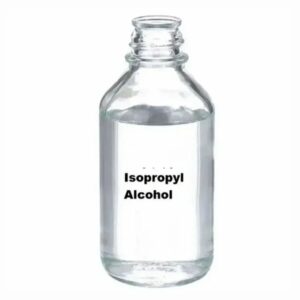
Isopropyl Alcohol (IPA), with the chemical formula C₃H₈O, is a colorless, flammable liquid that evaporates quickly and is widely used as an excellent disinfectant, antiseptic, and cleaning agent. It is applied across various sectors such as pharmaceuticals, cosmetics, electronics cleaning, hand sanitizers, printing, and industrial degreasing. We supply high-purity Isopropyl Alcohol (99% / 70%) in drums, cans, and custom packaging options, offering the best prices for bulk orders.
-
$0.00
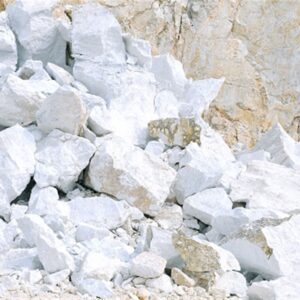
Limestone Lumps are raw, naturally occurring carbonate sedimentary rocks primarily composed of calcite (CaCO₃), formed from the skeletal remains of marine organisms such as molluscs, foraminifera, and corals. Vkonnect Overseas is a trusted supplier and exporter of premium-quality Limestone Lumps imported from Dubai, with a minimum order quantity of one vessel. These lumps are widely used in industries like steel and cement as fluxing agents, in ferro-alloys, pelletization plants, foundries, and in sponge iron production. Additionally, they are used in the sugar industry for refining, in the glass industry as an additive, in fertilizers as a coating material, and in the paper industry for processing. On calcination, these lumps produce lime (CaO), adding to their industrial significance. At Vkonnect Overseas, we ensure the limestone is processed with the highest standards of quality and offer it in various packaging options to meet client requirements—all at competitive prices.
-
$0.00
Vkonnect Overseas is actively engaged in formulating and supplying premium-quality Limestone Powder, processed from solid limestone lumps under hygienic conditions using advanced technology. Rich in calcium carbonate (CaCO₃), this white powder plays a vital role in construction materials and is widely used in the production of cement, quicklime (CaO), and slaked lime (Ca(OH)₂). It finds application in various industries including plastics, rubber, elastomers, and pigments, and also acts as a filler in high-grade paints. Additionally, when mixed with water, it effectively removes impurities and pollutants, making it useful in water treatment processes. Vkonnect Overseas ensures secure packaging of Limestone Powder to prevent contamination during transit, maintaining quality from source to destination.