
Dolomite Lumps
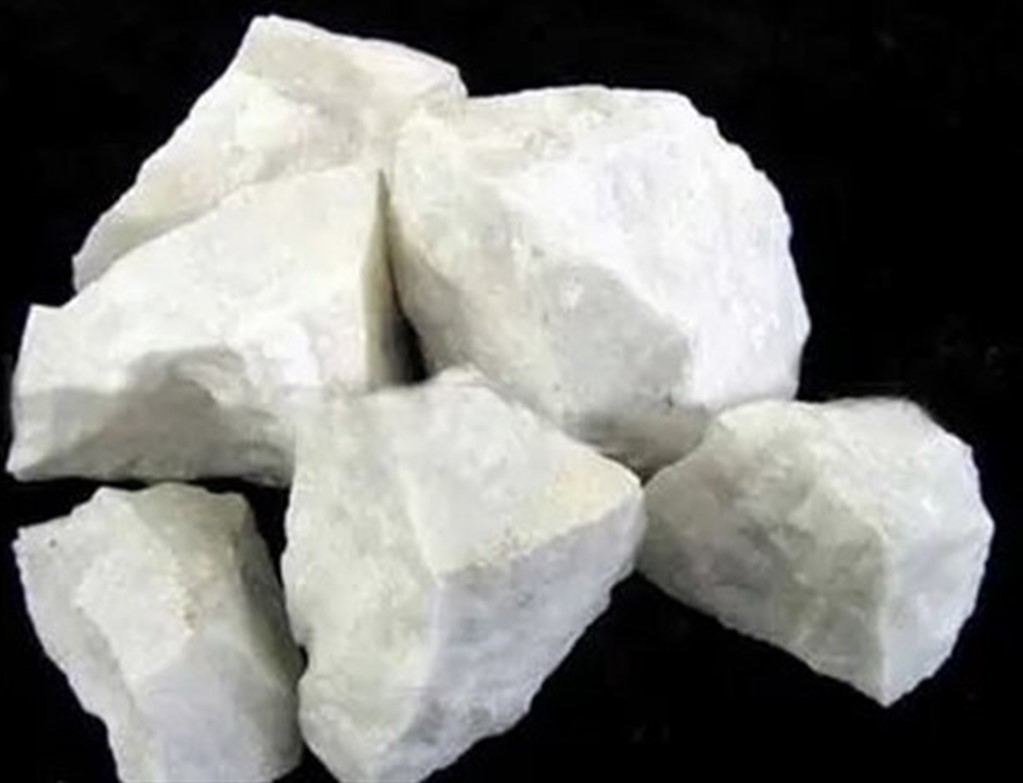
Dolomite Lumps
Dolomite is a key raw material in the production of concrete — vital to modern road and building infrastructure. It is a sedimentary carbonate rock, primarily composed of the mineral dolomite, also referred to as dolostone. Naturally occurring dolomite crystals are commonly found in hydrothermal vein deposits and sedimentary rocks, often filling the pores of their host formations.
We offer high-purity dolomite lumps with high magnesium content and extremely low levels of iron. These characteristics make our dolomite ideal for use in various industries including paints, glass, ceramic frits, and detergents.
Dolomite is one of the three most abundant carbonate minerals, alongside calcite and aragonite. Unlike calcite and aragonite, dolomite has a distinct crystal structure where layers of carbonate ions alternate with layers of magnesium and calcium ions. This unique arrangement gives dolomite higher hardness, density, and stability. Additionally, dolomite never forms scalenohedrons, which are common in calcite.
Through low-temperature calcination, dolomite is transformed into calcinated dolomite, a product that is highly porous, reactive, and valuable in metallurgical and industrial applications.
| Specification | Details |
|---|---|
| Color | Colorless, white, pinkish, or light tints; darker colors even black |
| Luster | Glassy to Pearly |
| Transparency | Crystals Transparent to Translucent |
| Hardness | 3.5 – 4 |
| Specific Gravity | 2.8 |
| Molecular Formula | C2CaMgO6 |
Features:
- It is used as Fillers by detergents, steel, paints, and ceramics
- As refractory, ramming, and fettling material in steel Industries
- Dolomite mineral is a double carbonate of calcium and magnesium and it exhibits a granular structure
- It is also in road ballasts, building stones, flooring chips etc